
The clinic is focused on experiential learning opportunities for DePaul students studying cybersecurity-related subjects. That is, students work on real-world projects for a client organization. The clinic provides a means for students to further develop their professional skills, and in doing so, become better prepared for the workforce.
The core service the Clinic offers is a security vulnerability assessment that students perform in teams using industry standards as guidance, conducting staff interviews, reviewing any existing computing and security policies, and performing a walkthrough observation at the client site. Depending on the client organization's interests, students can analyze system access logs to identify access control patterns and vulnerabilities. Students learn and apply core idustry guidance when conducting the risk assessment and for identifying and designing security safeguards the organization can implement to counter risks identified. Since the objective is to recommend safeguards that the client organization can feasibly implement, students are forced to apply critical thinking skills to not only consider technological solutions, but to consider the client's context (environment), financial and technical constraints.
Behind the Scenes
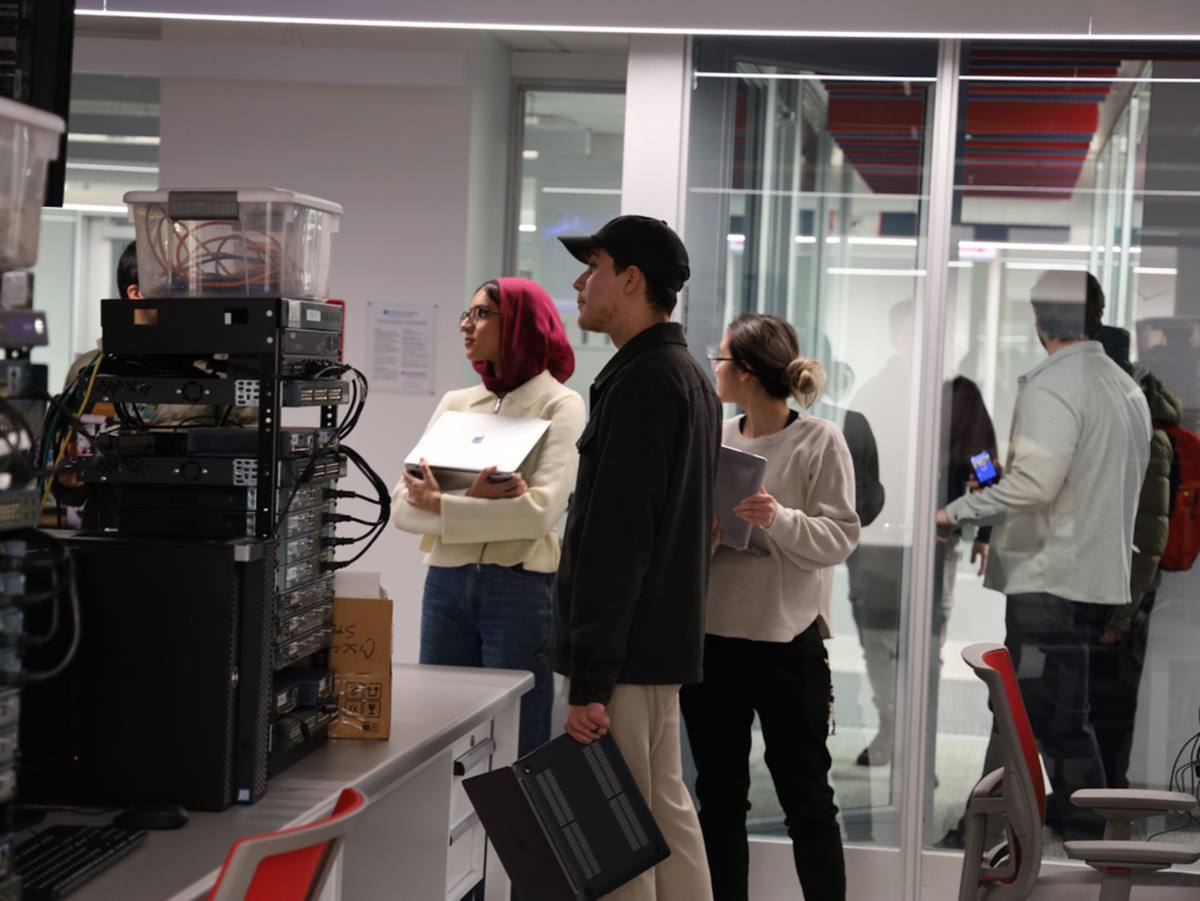

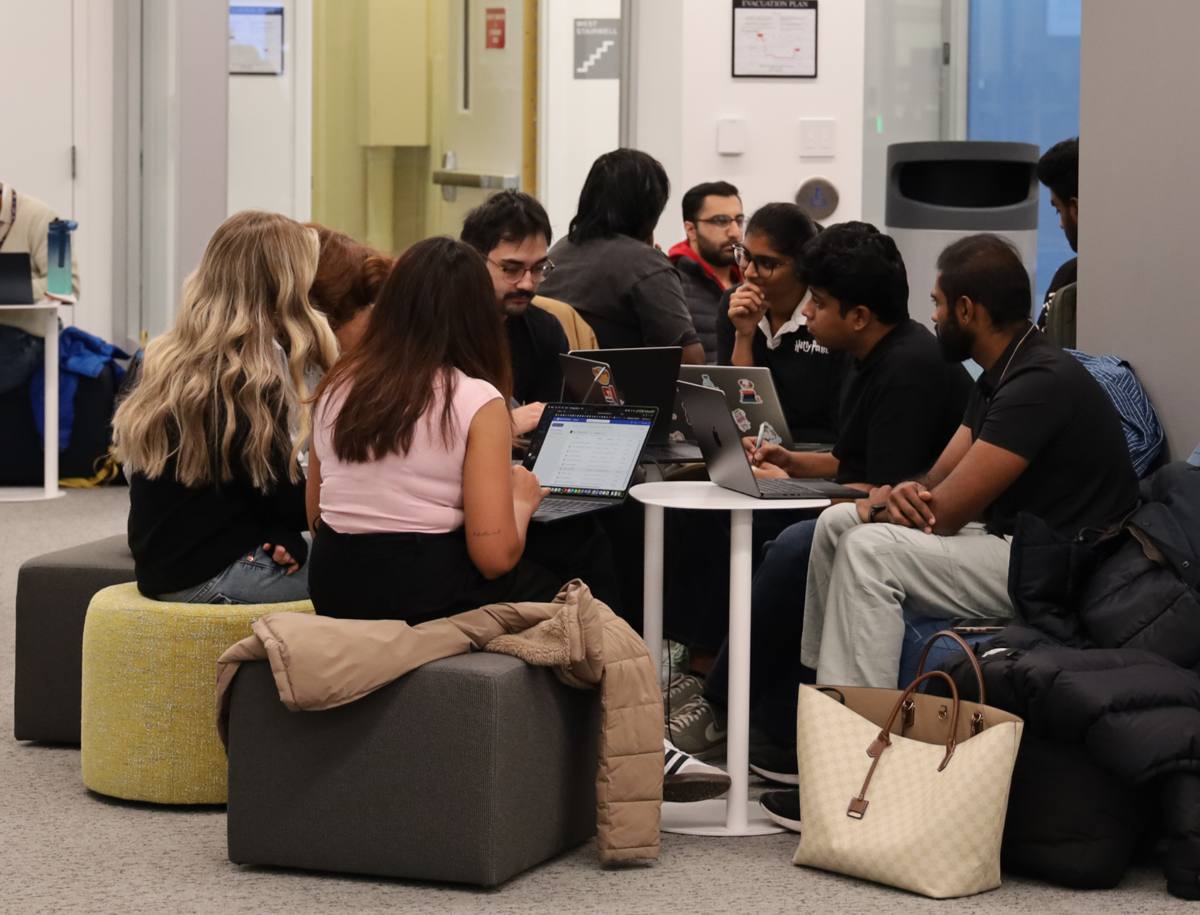
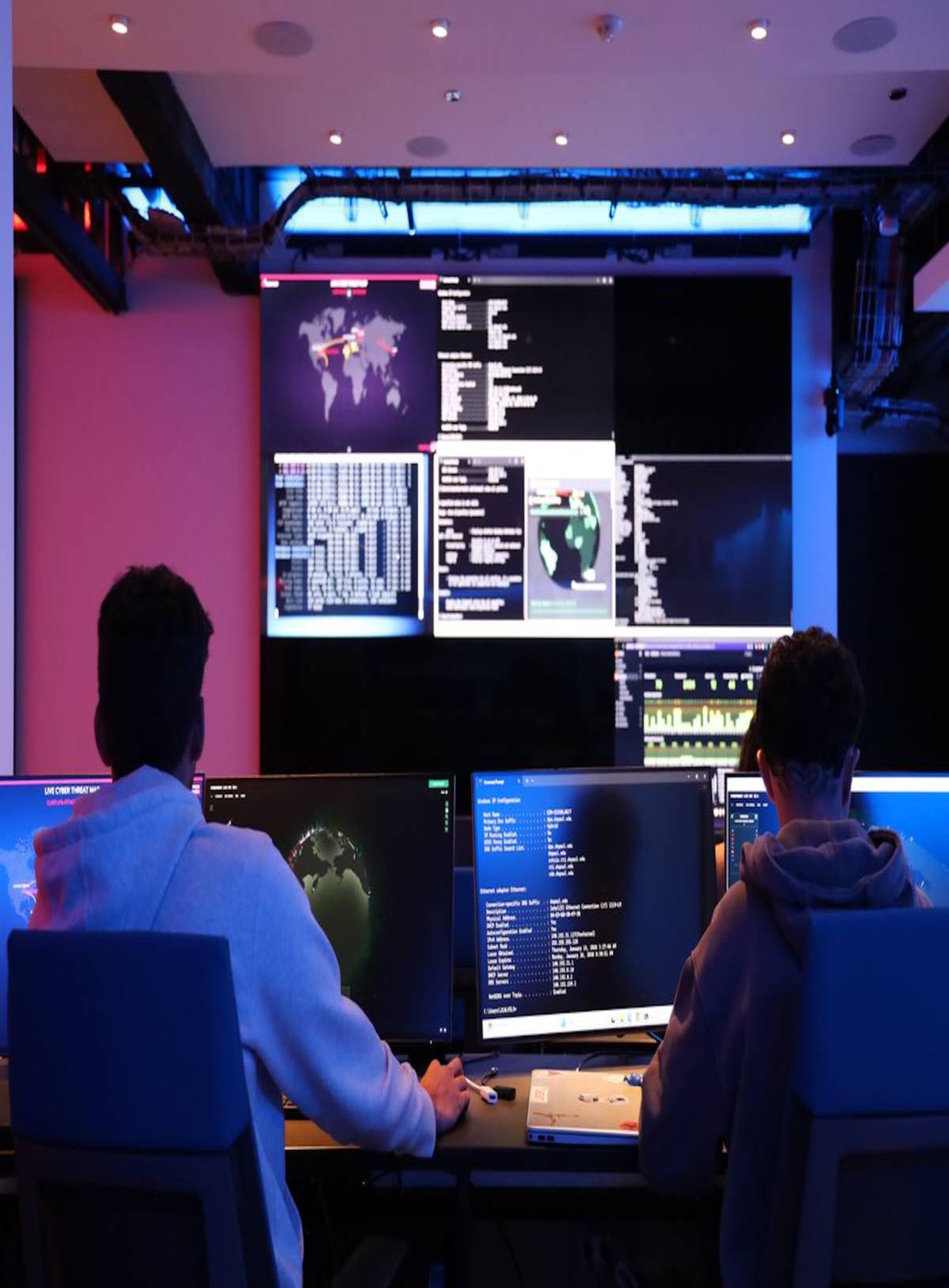
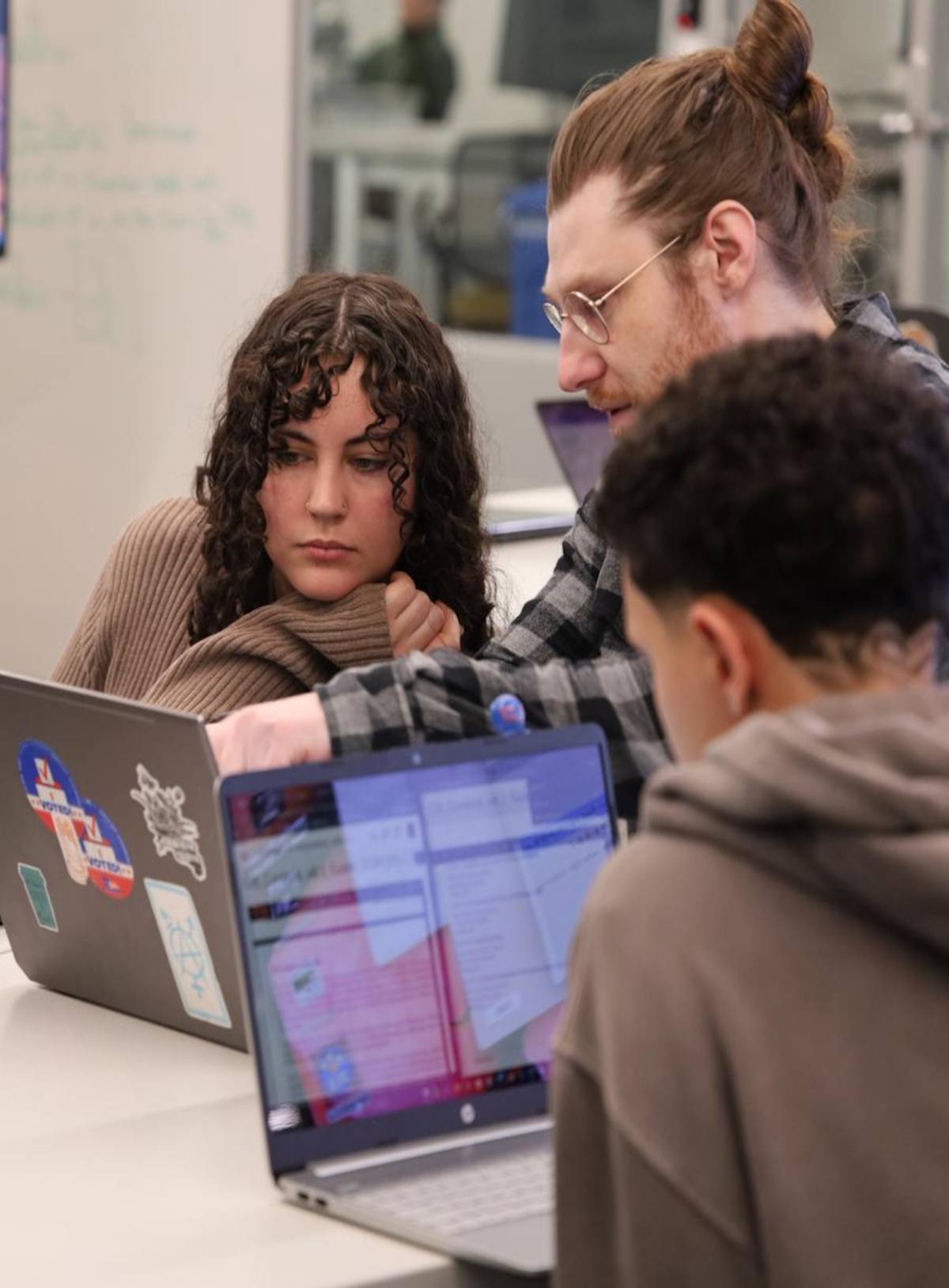
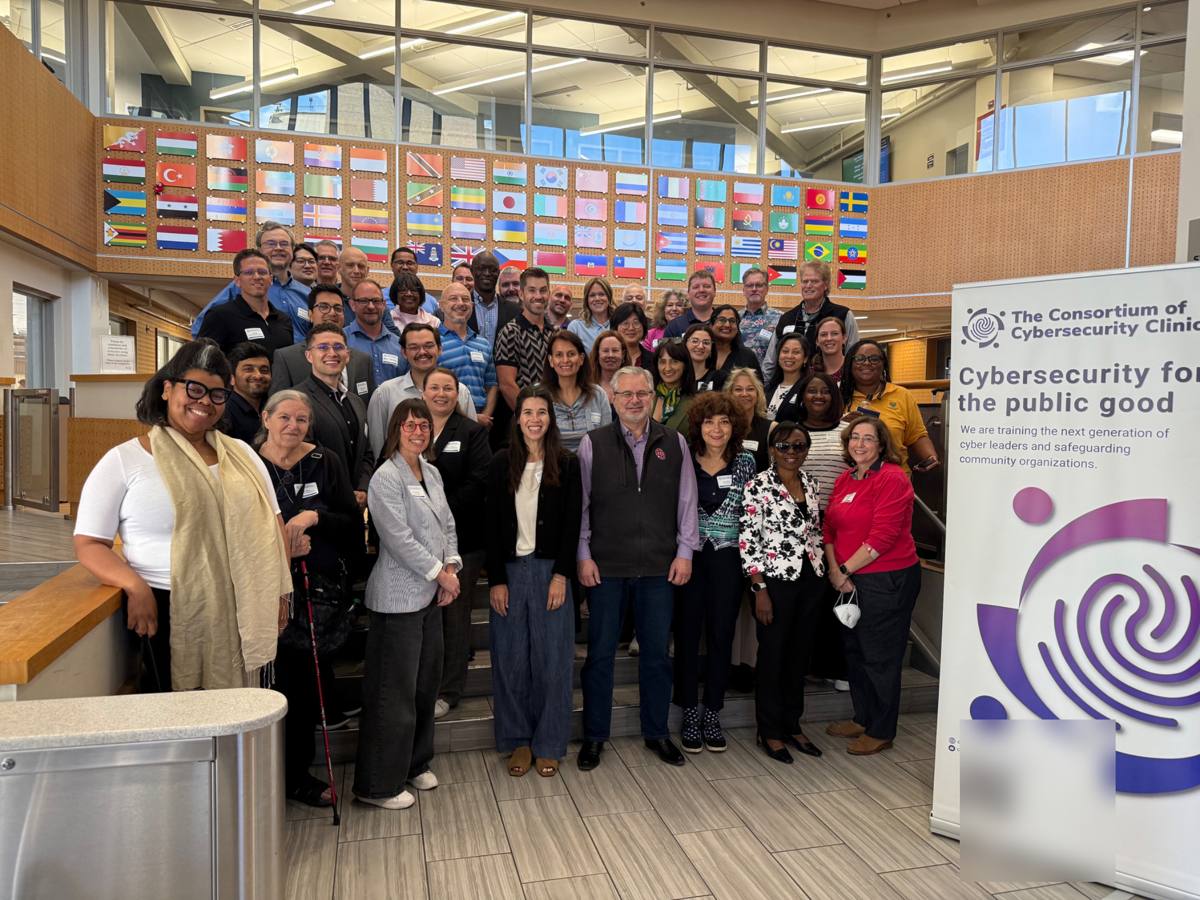
Students participate in clinic risk assessments in an approved experiential learning course. Any DePaul student is welcomed to attend clinic events for general audiences hosted on campus.Student job opportunities with the clinic depend on available funding.
Students who participate in the Clinic as part of an experiential learning course earn college credit for their project work. All other students participating in a Clinic project do so as volunteers, similar to participation in a student organization.
Enroll in an approved experiential learning (EL) course. CSEC 390 and CSEC 490 are the risk assessment EL courses. We are planning to also offer a portion of IS 568 as an EL course on AI governance; stay tuned for that one.
CSEC 390 and CSEC 490 (risk assessment) are currently offered in winter quarter only. We are considering offering the course a second quarter, though that is not currently scheduled. IS 568 (AI Governance) will also be offered once annually, in spring.
Yes. Students enrolled in an approved experiential learning course are coached on client communication, interview tips, privacy and security practices for client data, etc. Currently, there is no alternative to receive that clinic-specific training.
After completing an approved EL course, and depending on client preference, it is possible for students to work on subsequent client projects -- for example, assisting a client on implementing security safeguards recommended during the course, conducting a follow-up assessment with a client, etc.
Complete a student volunteer sign-up questionnaire. When a clinic event is forthcoming, someone from the clinic team will contact the student to provide event information and determine the student's availability to participate. Alternatively, you can email the Clinic Director.