

University-based cybersecurity clinics train students from diverse backgrounds and academic expertise to strengthen the digital defenses of non-profits, hospitals, municipalities, small businesses, and other under-resourced organizations in our communities, while also developing a talent pipeline for cyber civil defense. (source: Consortium of Cybersecurity Clinics)
Nonprofit organizations are the backbone of Chicago’s communities, providing essential services and support that strengthen the local safety net. As these organizations increasingly rely on digital systems and online services, they face a growing range of cybersecurity threats, including phishing attacks, malware and ransomware, account hijacking, network intrusions, and data breaches.
Unfortunately, many small nonprofits lack access to the specialized expertise needed to protect their systems and data. Cybersecurity clinics help bridge this gap by informing nonprofit organizational clients of their security risks and providing affordable, practical security recommendations they can implement to reduce risk.

Cybersecurity students learn core concepts through informative lectures and technical security labs. However, these settings cannot fully reflect the complexity of real-world cyber environments, where technical, organizational, and human factors intersect.
Experiential learning in live environments enables students to gain insight into authentic organizational cybersecurity challenges, apply industry frameworks and best practices to assess risks, and develop practical safeguards tailored to real-world needs. Through these experiences, students build confidence, hands-on expertise, and a service-oriented mindset while helping community organizations strengthen their cybersecurity resilience.

We deliver real-world, client-facing cybersecurity learning that accelerates student workforce readiness and empowers nonprofits to boost their security awareness and adopt fundamental safeguards that reduce risk.
Addressing the Challenge!
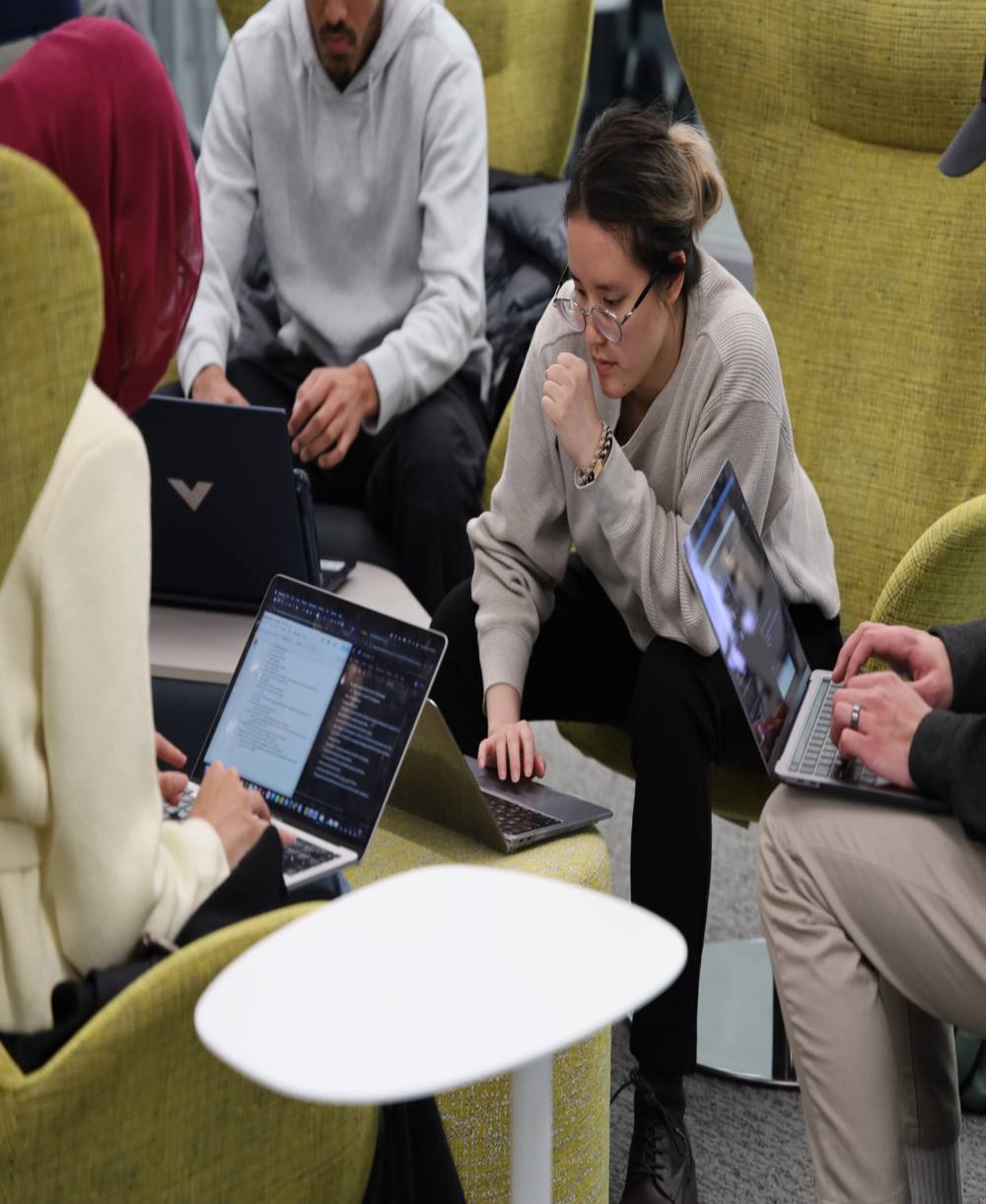
The DePaul Cybersecurity Clinic provides student‑led cybersecurity risk assessments that identify security vulnerabilities and recommend practical safeguards so that organizational security improvements are made. Through this process, students gain hands‑on, real‑world experience that prepares them for careers in the cybersecurity workforce.


Our Services

We provide clients with policy documents based on widely used industry security guidance that can be implemented as-is or customized. Examples include password policy; incident response plan; acceptable use; etc.
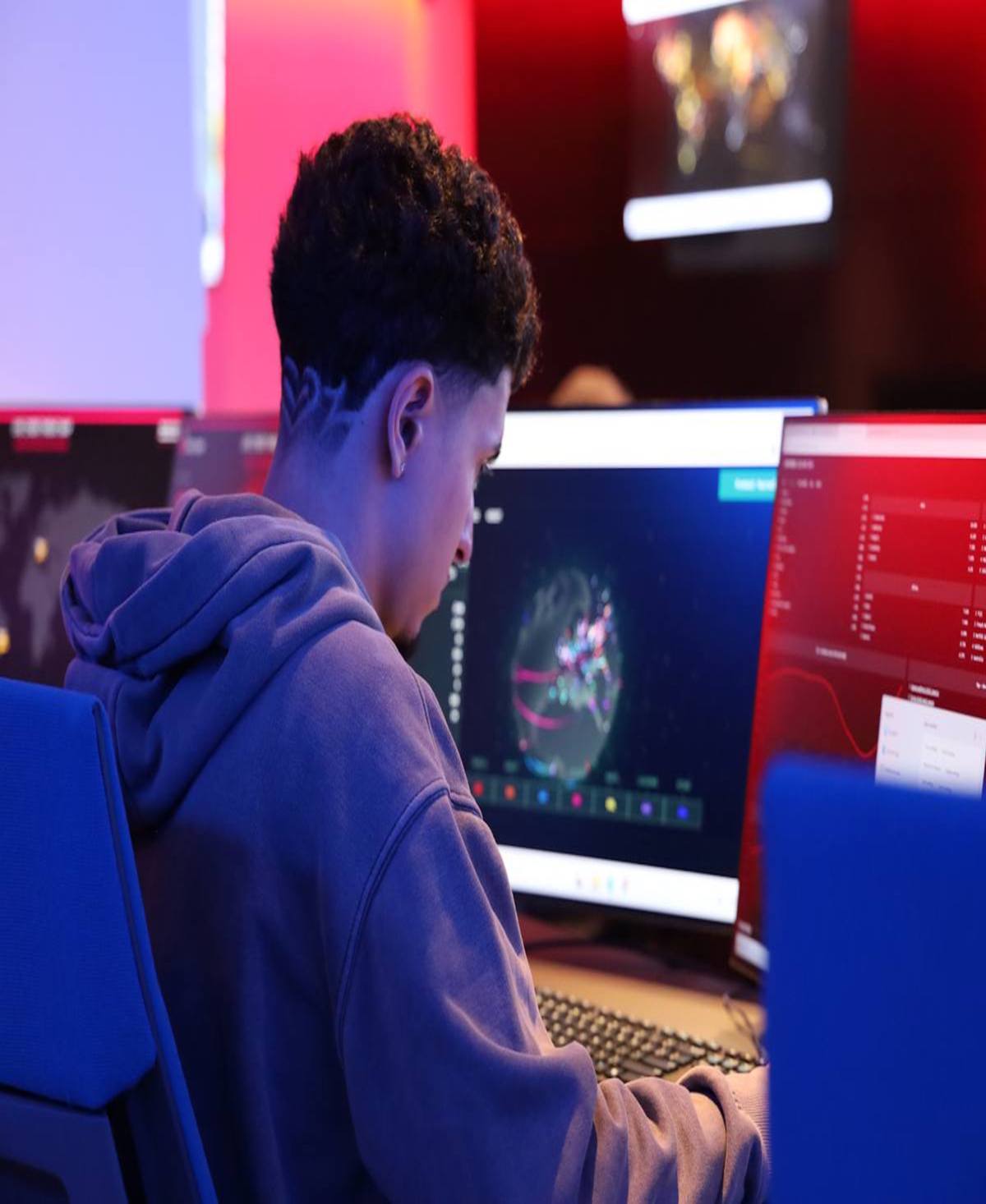

We assess (job) role-based access control for shared drives and organizational systems and perform access log analysis. MFA usage and physical access controls are assessed. Tailored recommendations are provided to enhance security.
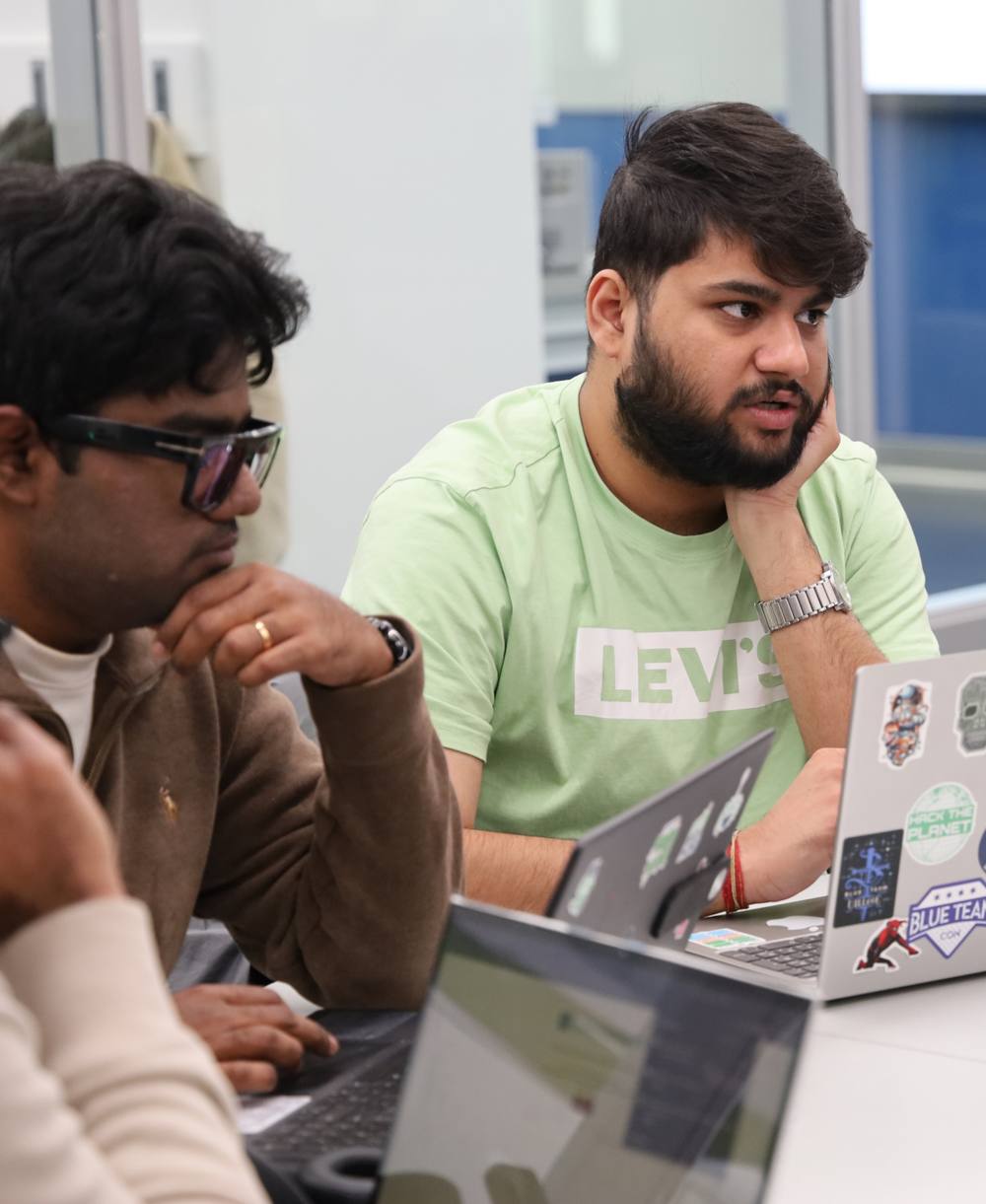

Many small nonprofit organizations use Google Workspace for Nonprofits as their central IT system. We assess the security settings and system access, then make recommendations on improving access to shared drives; email configuration; data protection; etc.
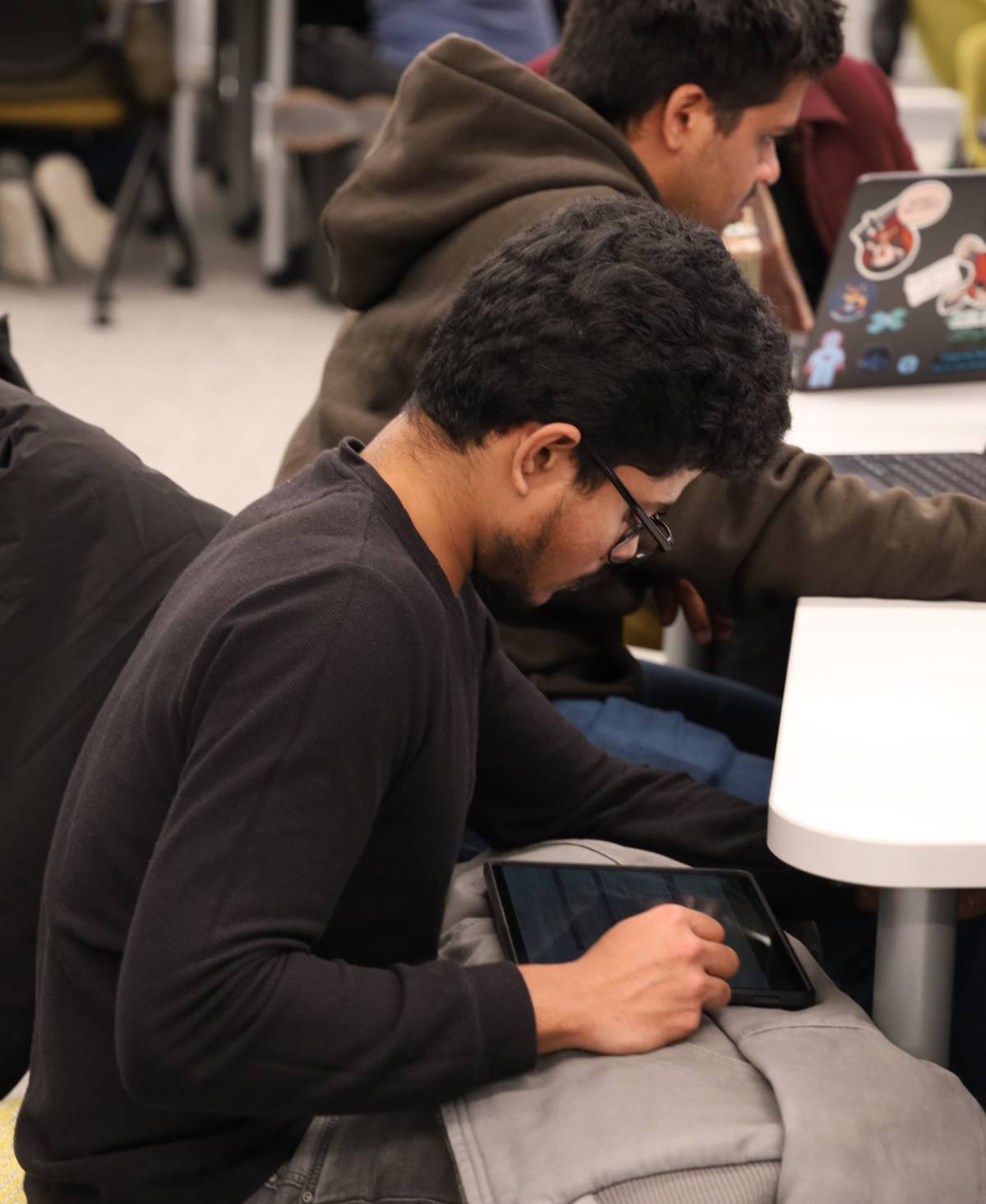

We assess and recommend fundamental security settings and safeguards for employer-issued computers and BYOD. Additional security enhancements are considered for lab computers used by organizational constituents.
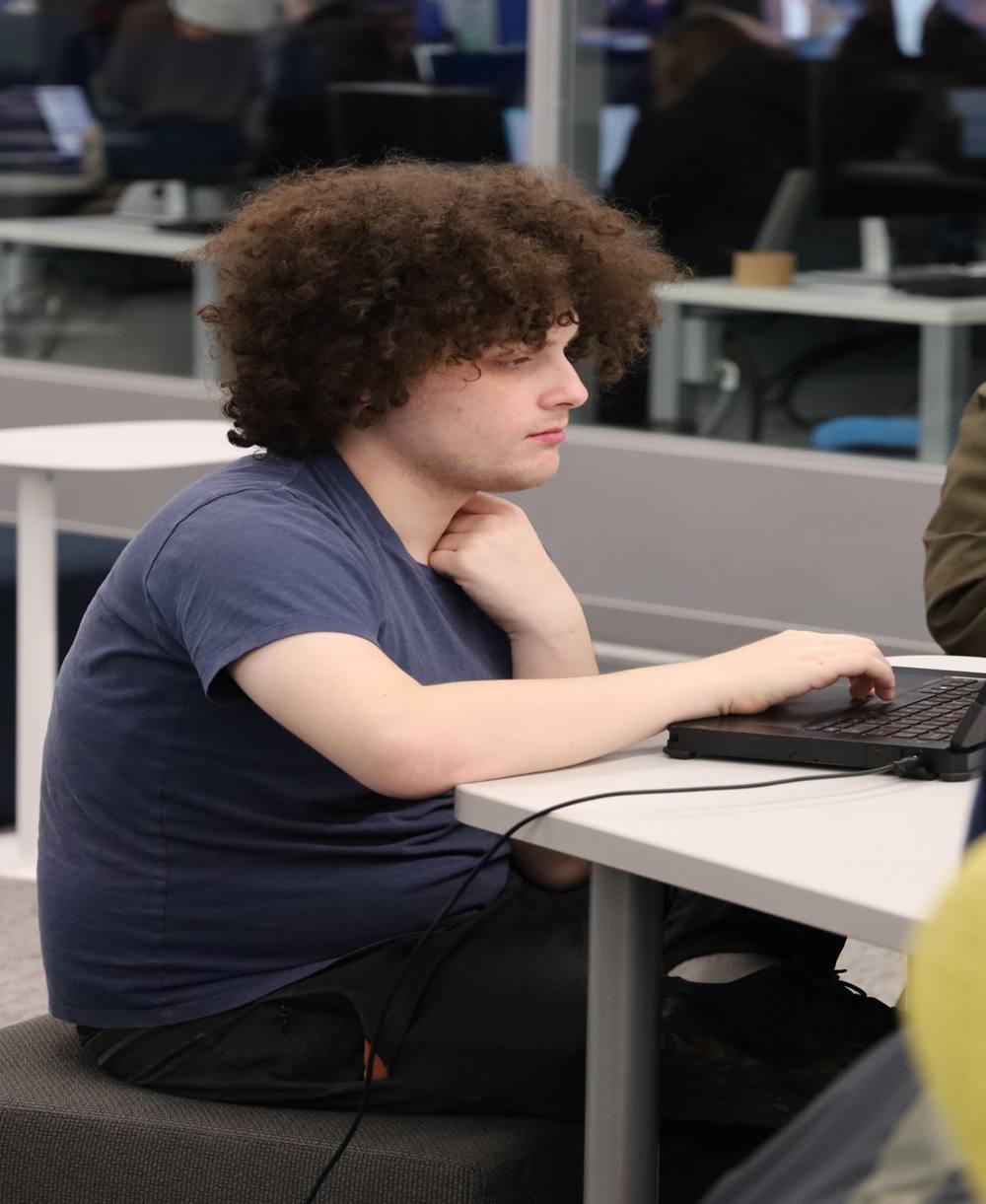

Router settings and connected devices (e.g., security cameras, printers, etc.) are examined. Remote access and data encryption assessed. Tutorials are often provided to illustrate how to more securely configure network security.

Nonprofit organizations are increasingly using AI to facilitate donor outreach, marketing, etc. It is essential to adopt responsible AI usage policies. In addition, training is needed to identify AI-enhanced cyber threats. Our workshops provide training in these areas.
To achieve our mission, we train students on client engagement; develop training materials for community dissemination; host student recruitment events; host workshops for community outreach; employ student workers in staff positions; build and maintain the Clinic’s technological infrastructure; and travel to academic conferences to disseminate the Clinic’s work. We would also like to hire student interns so that we can serve more students and clients. We invite your financial support.
Gifts of any size would assist us in clinic operations. There are also naming opportunities for six and seven figure leadership gifts.
Testimonials

Thanks to the students of the DePaul Cybersecurity Clinic, we are implementing a phased plan of security measures and data protection for our entire organization! They helped us identify weak points in our systems and use-cases of programs and browsers and gave us manageable, budget-friendly, tools and policies to resolve.
We have paid for these types of services in the past from professionals in this field and what the student group produced for us far exceeded the contractors we used previously, giving us the tools and knowledge to support our organization's data security now and into the future. Thank you!"
As a nonprofit organization without an in-house IT person, the DePaul Cybersecurity Clinic was instrumental in helping us establish a foundational cybersecurity framework. This was a long-overdue process that we weren't sure how to even begin, but with the team's guidance, we now feel confident moving forward-starting with high-priority areas and determining how best to allocate responsibilities, whether internally or by hiring an IT specialist.
In developing our safeguard recommendations, we referenced industry standards including NIST CSF and CIS Critical Controls to ensure that our remediations were both actionable and aligned with modern cybersecurity best practices.
I grew in understanding how to align security strategies with organizational priorities, shifting from a purely technical lens to one that considers business impact, operational feasibility, and collaborative teamwork.
We were proud to see the client begin implementing our recommendations right away—a meaningful outcome that demonstrated the impact of our work.
"Going through the investigation process with the students from DePaul helped us to self assess our technical infrastructure and their presentation at the end of the process provided excellent insights. "
"This program was a great way for us as an organization with limited resources to get some insight into our cybersecurity risks and gaps. We really are grateful for the 'non-techie' explanations of both the process and outcomes, as well as what we can do about our identified risks. As an organization with no IT staff, but reasonable tech savviness, I feel confident that we can implement all of the recommendations. The final report provided is also extremely useful in future grant applications for support for these upgrades."
"The DePaul Cybersecurity Clinic provides invaluable support, information and guidance. This is crucial to no-profit organizations that need this support but can;t always afford this type of service."